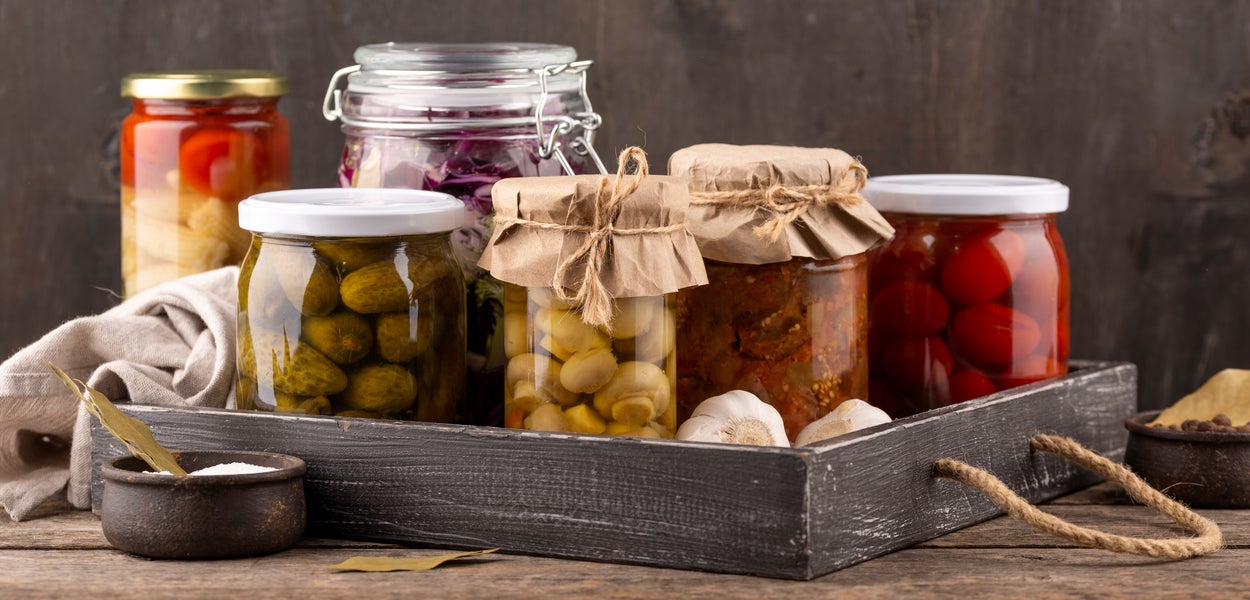
Remco Kort has worked on several citizen science projects that pull research out of the lab and into people’s daily lives and kitchens.
As a researcher he sees two problems with highly controlled experiments: “they sit far from real life, and they miss the chance to activate people and nudge them toward healthier behavior”.
In his projects, participants roll up their sleeves at home, collecting data and making their own fermentations. Next to the research, people end up with surprising and tasty products like homemade kimchi, and they gain a sense of ownership over their health.
Instead of seeing this participatory approach as a source of bias, Remco treats it as a design challenge: “think very carefully about methodology, and you can still generate robust, publishable data”.
Citizen Science Study: Increasing Fiber for a Healthier Gut Microbiome
One of Remco’s citizen science studies zooms in on what higher fiber intake actually does to people. Rich sources of fiber are various vegetables, fruit, and whole grains.
In the Netherlands there is a well‑known “fiber gap”: men are advised to eat around 40 grams of fiber per day and women 30 grams, but average intake falls well below that. Meanwhile, supermarket environments constantly tempt people toward ultra‑processed, unhealthy options, fueling rising obesity and chronic diseases such as type 2 diabetes.
Remco set up a citizen science study with 150 participants in collaboration with the MDL and the other partners like Keep Food Simple, which promotes minimally processed foods. In this project, one third of participants used a recipe booklet that nudged them to increase fiber intake, one third focused on fermented foods, and one third formed a control group.
In this fiber study, participants carried out the intervention and most measurements themselves. They collected their own blood on filter paper cards that were dried and mailed in for analysis, making blood sampling feasible outside the clinic.
Participants also tracked their gut transit time by, for example, eating a blue muffin and recording how long it took before their stool turned blue, a simple but powerful home test. In addition, they provided fecal samples for microbiota analysis and received education on the bacterial communities in their gut, along with feedback on quality‑of‑life measures such as sleep quality. The study ran for five years, and the first results have just appeared as a preprint, adding a rich data set to the field.
Citizen Science Study: Vaginal Microbiome Probiotics
Another citizen science project focuses on women’s own vaginal microbiota. Remco and his team developed a protocol that allows women to identify their own Lactobacillus strains using a specially designed growth medium on which only these bacteria can grow.
Women in the study collected their own vaginal swabs, which were streaked onto the selective medium. The team then characterized these strains and optimized methods to culture them on a larger scale, with an eye toward therapeutic applications. The aim is to use these personalized strains as probiotics to help prevent recurrent bacterial vaginosis.
Importantly, there is a licensing agreement in place: if these strains end up in commercial therapeutic products, participating women receive a share of the revenues, a sharp contrast with current probiotic products where the human origin of strains is often invisible.
Remco’s Microbiology Contribution at Artis
Beyond citizen science in humans, Remco has also helped bring microbiology to the public through Artis Zoo. He played a key role in setting up the Micropia museum, part of Artis, working on it from 2006 to 2014 and remaining involved in shaping long‑term strategy.
Within Artis he studies the microbiome of gorillas, asking how their health can be improved by shifting their diet closer to what they would eat in the wild. Gorillas are herbivores that naturally consume a branch‑rich, cellulose‑heavy diet, so Remco’s team explored whether enriching their zoo diet with more branches changes their gut microbiome. Additionally, an ill gorilla treated with antibiotics was later helped by a fiber donation from another gorilla in the group, highlighting how dependent plant‑eaters are on their gut microbiota.
Interested in citizen science & gut microbiome? Read more here: