Crispr-Cas9 turns genes back on without cutting DNA
There’s a cool new twist in the CRISPR story.
A team at UNSW Sydney and St. Jude Children’s Research Hospital has found a way to turn genes back on without cutting DNA. Instead of using CRISPR as a molecular pair of scissors, they use it more like a dimmer switch.
What’s actually new here?
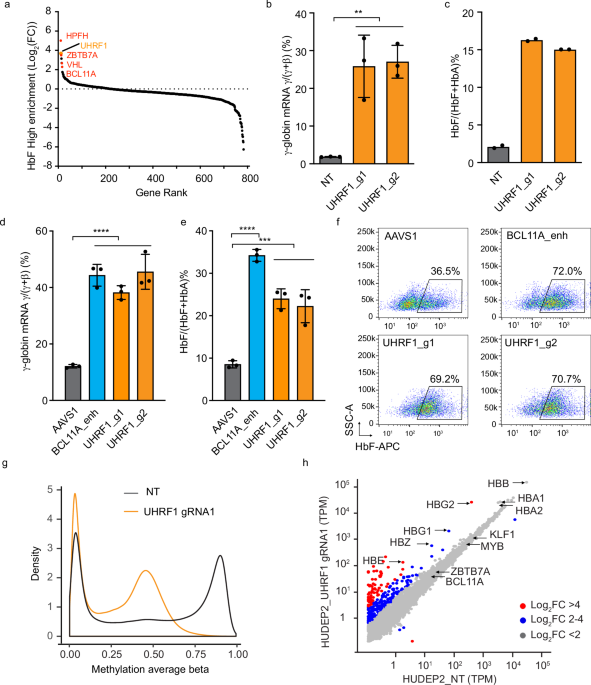
Our DNA is covered in tiny chemical tags called methyl groups that help decide which genes are on and which are off. You can think of them as “Do not disturb”stickers on certain pages of the genome. In this new approach, the researchers use a “dead” Cas9 (dCas9) that can still find the right spot in the DNA, but no longer cuts it. They then attach enzymes that remove methyl tags at that exact location, peeling off the sticker and letting the gene turn back on—and they can also put the tags back to switch the gene off again. One of their showcase examples is Sickle Cell disease.

Instead of fixing the broken adult hemoglobin gene, they reactivate the fetal hemoglobin gene by removing its methyl locks in blood stem cells. Those edited cells could then be returned to the patient so the bone marrow makes healthier red blood cells, all without introducing a single cut in the DNA.
Why we like this at AIMMS VU
This breakthrough is not our work, but it definitely speaks our language at AIMMS VU. At its heart, the study is about precise control instead of brute force: using smart molecular tricks to steer biology, rather than rewriting the entire code. That fits neatly with AIMMS as VU Amsterdam’s molecular research accelerator, where we aim to kickstart the next big discoveries in food, pharma, environmental and life sciences.
How AIMMS expertise connects
AIMMS brings together more than two hundred researchers from chemistry, pharmaceutical sciences, biology and bioinformatics to work across the whole chain from molecules to systems. We design and make molecules, we measure and monitor them in complex samples and we work to understand and control their interactions in living systems. That includes strong expertise in drug discovery, target identification and advanced analytics, as well as cutting edge work on diagnostics, new compounds and data driven modeling.
Because we are set up around bold, multidisciplinary challenges, AIMMS offers the kind of environment where ideas like non cutting, epigenetic CRISPR could be explored further with clinical and industrial partners. And while UNSW and collaborators deserve full credit for this particular discovery, we recognize many of the same values behind it that we embrace at AIMMS: being imaginative and curious, collaborating across disciplines and keeping an eye on real world impact and safety.
More information here: